
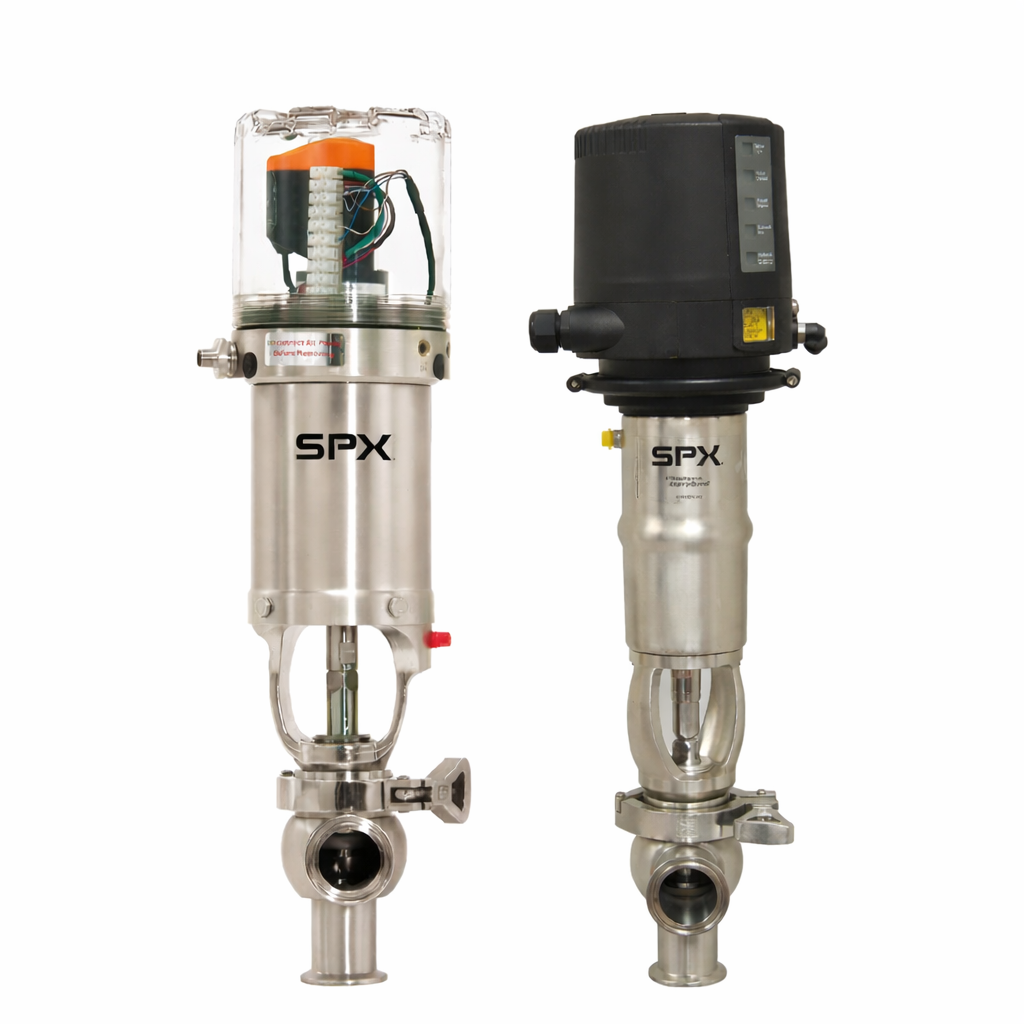
Proven Single Seat Valve Technology
Single seat valves are a core component of sanitary processing, delivering dependable flow control, cleanability, and automation-ready performance. Williams-Carver supplies high-quality single seat valves engineered for hygienic applications in food, beverage, dairy, and pharmaceutical operations.
These valves offer straightforward design, exceptional sealing, minimal product entrapment, and long-term reliability. Whether upgrading an existing system or specifying components for a new line, we provide trusted valve technologies backed by manufacturer expertise and hands-on application support.
Browse Single Seat Valves
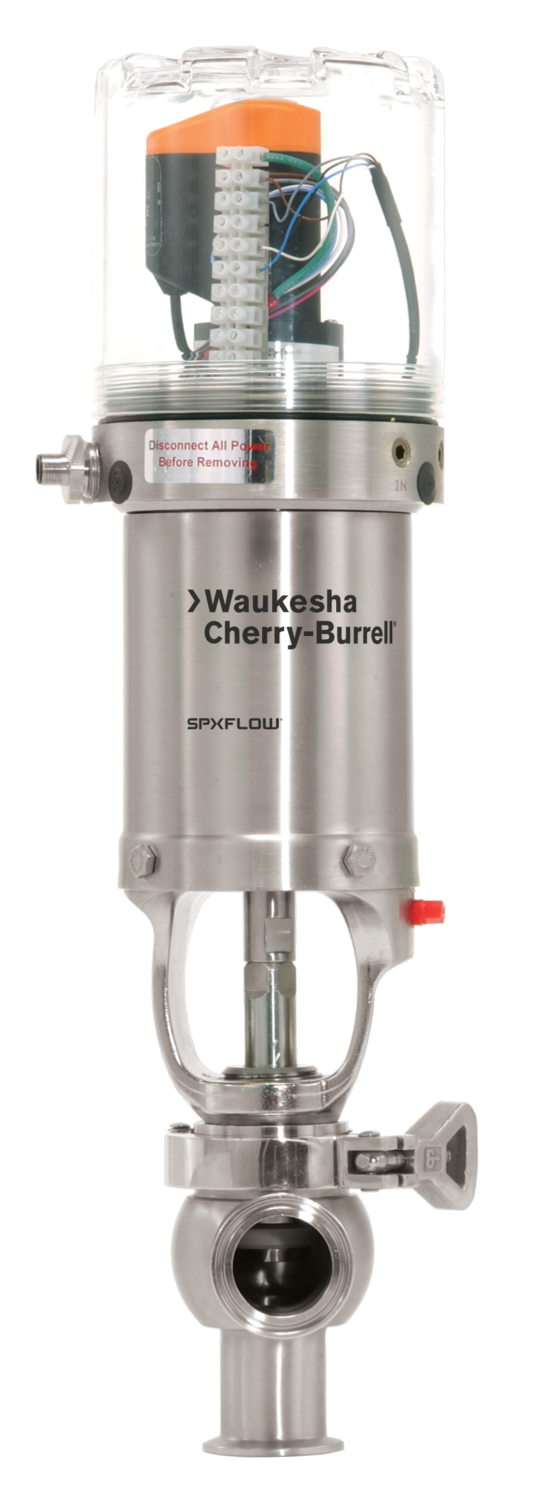
W60 Series: Shut-Off, Divert, & Tank Outlet Valves
The W60 Series from Waukesha Cherry-Burrell is a versatile sanitary single-seat valve line designed for dependable shutoff and diversion in food, beverage, dairy, and pharmaceutical processing. With durable construction, smooth-flow design, and flexible configurations, the W60 Series provides reliable, hygienic valve performance for a wide range of applications.
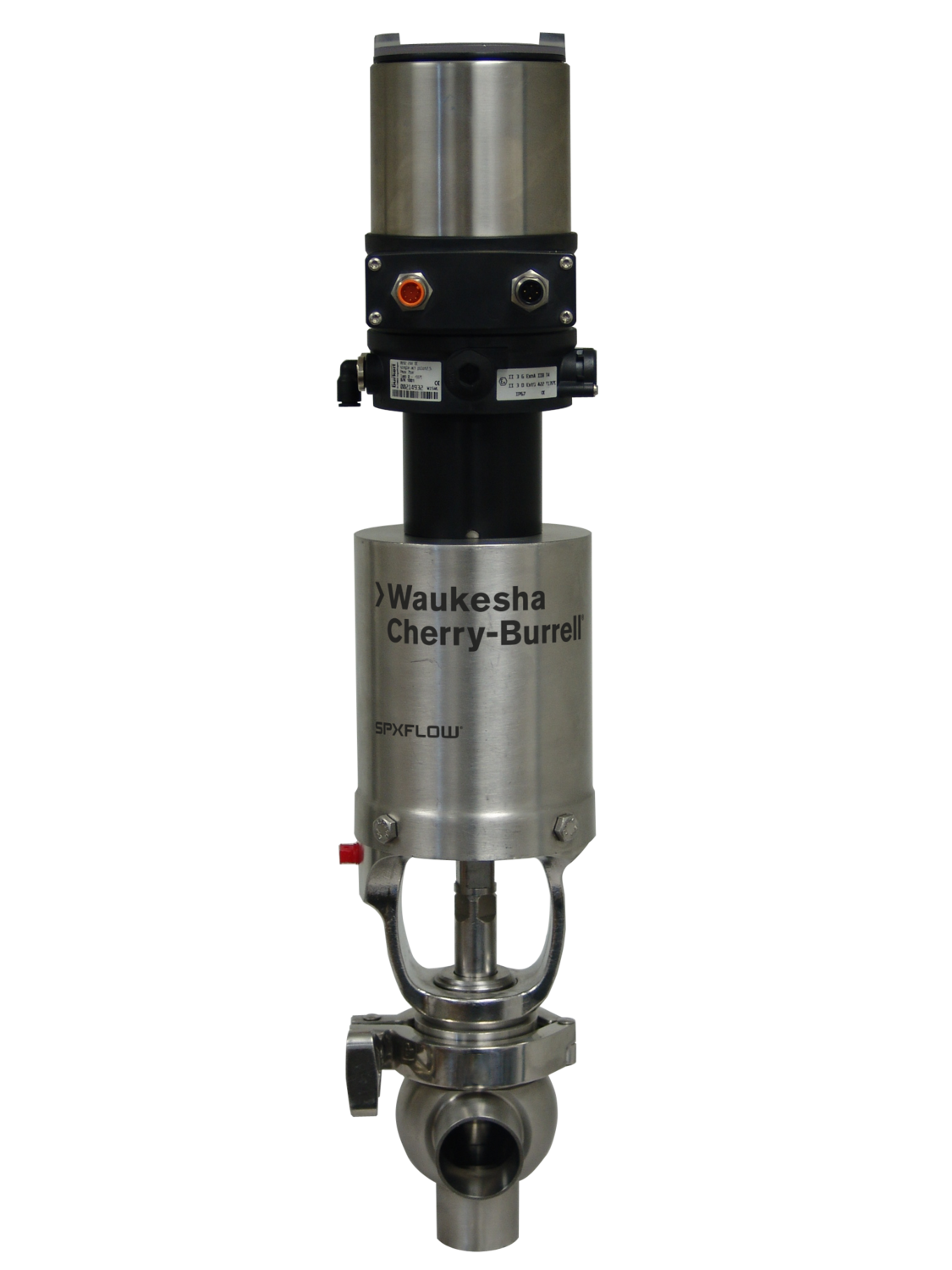
W68 & W88 Series: Throttling/Regulating Valves
Throttling or regulating valves are designed for flow and pressure control applications. Fluid flows against the tapered curve of the valve seat allowing a calculated amount of flow through as it opens and closes. The throttling valve is typically equipped with a positioner. Throttling valves are used for flow control, pressure control, filler level control, and modulated filling.
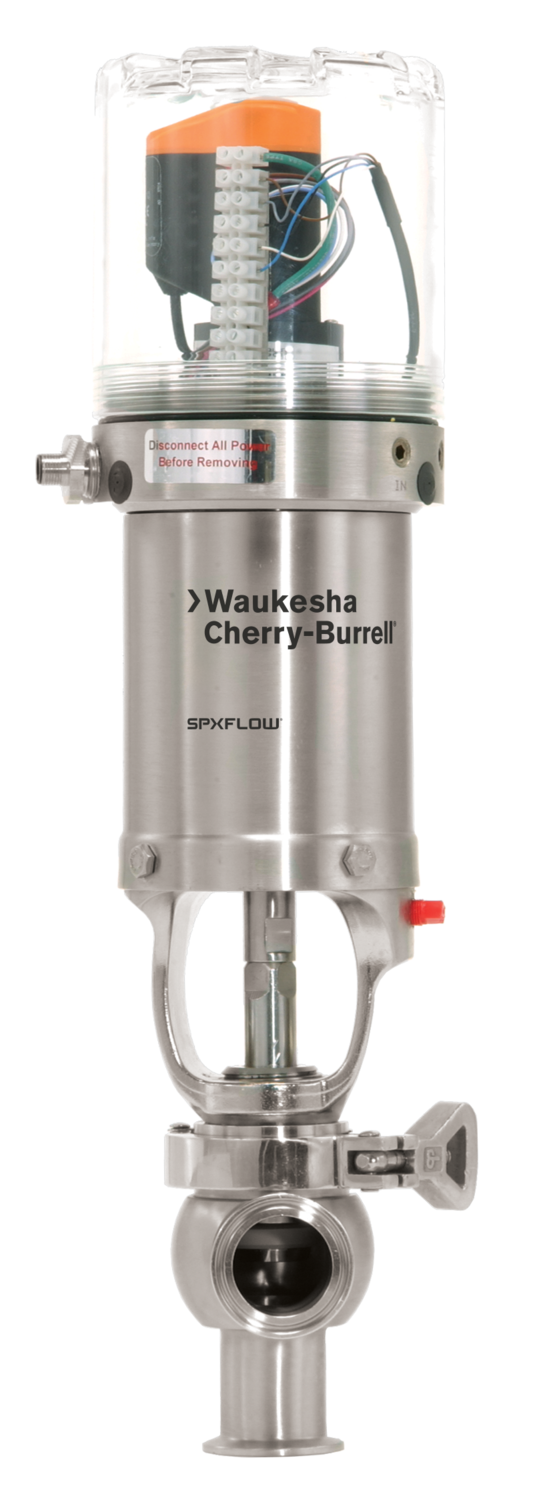
W80 Series: Aseptic Flush Shut-Off, Divert, & Tank Outlet Valves
Designed for aseptic applications, this valve series utilizes a stem flush adapter to provide a liquid or steam barrier around the valve stem.
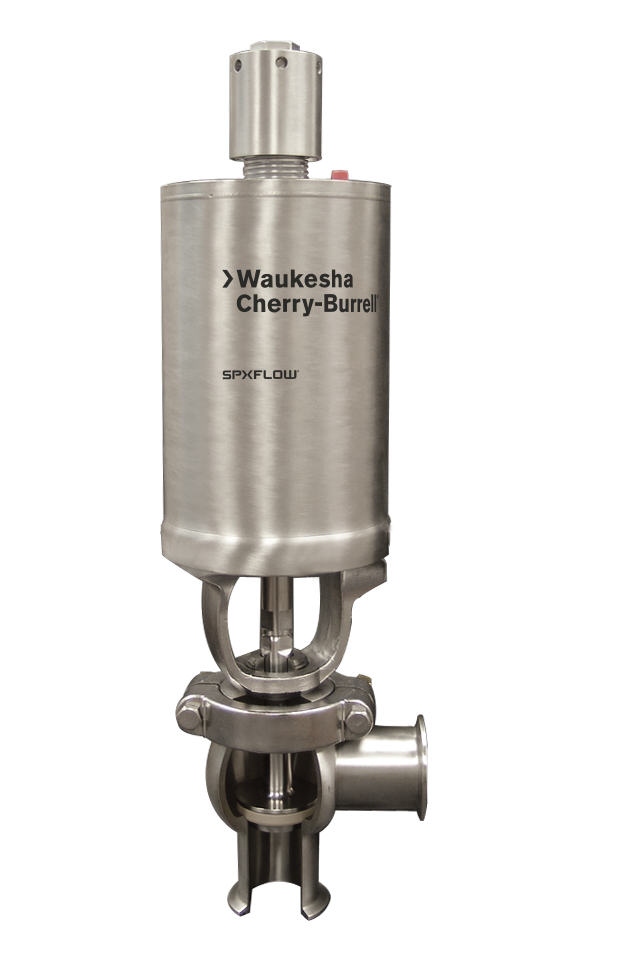
WR60 & WR80 Series: Over-Pressure Relief Valves
The WR60 & WR80 series valve is an adjustable pressure relief valve or pressure safety valve allows users to set the desired relief cracking pressure right at the valve by simply turning the adjustment screw. Installing a pressure-relief valve can protect pumps in a process line by allowing the pump to discharge pressure if it exceeds the cracking pressure set on the valve.

We’re Here to Help
Get personalized support for pump selection, sizing, and applications.