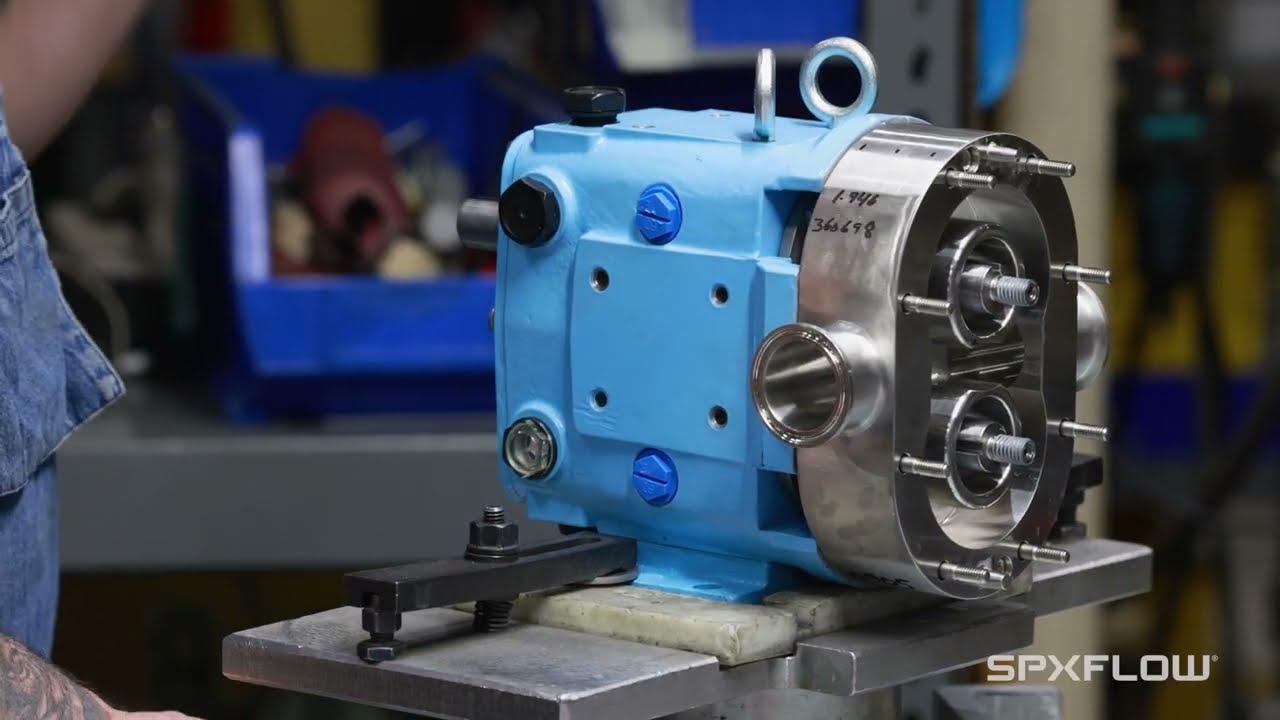


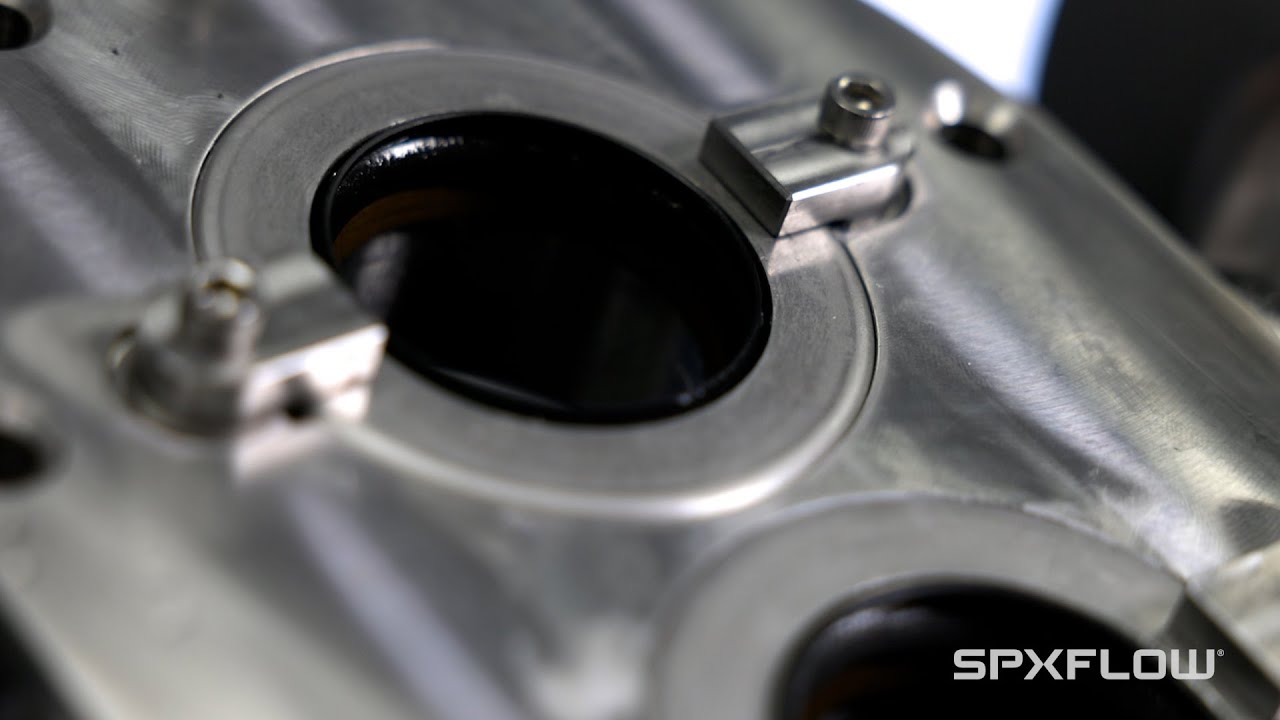
The Universal 2ND is designed for heavy-duty industrial applications, offering higher pressure capabilities, a lighter polish on wet end components while maintaining the same footprint, port-to-port dimensions, and hydraulic performance as the Universal 2. This allows for easy upgrading without re-piping or re-engineering existing systems. This change also allows for a more cost effective option in application where all sanitary classifications are not necessary.
Waukesha Universal 2 ND Series Pump
Waukesha Universal 2ND Series
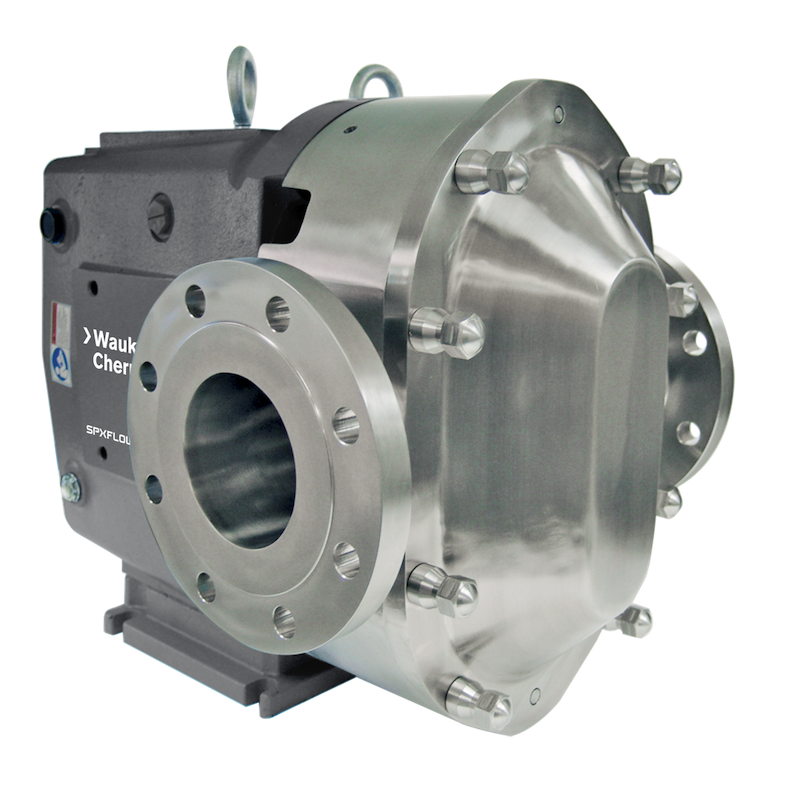
Waukesha Cherry-Burrell has long led the industry in designing, manufacturing, and applying external circumferential piston (ECP) style rotary positive displacement pumps. The Universal Series offers exceptional installation flexibility with features like bi-directional flow, 3-way universal gear case mounting, and upper or lower shaft positioning.
Built for durability, these pumps thrive in demanding applications with pressure ratings up to 500 psi (34.5 bar), temperatures up to 300ºF (149ºC), and full CIP capabilities. The Universal 2 ND Series has earned a strong reputation for reliability and performance.
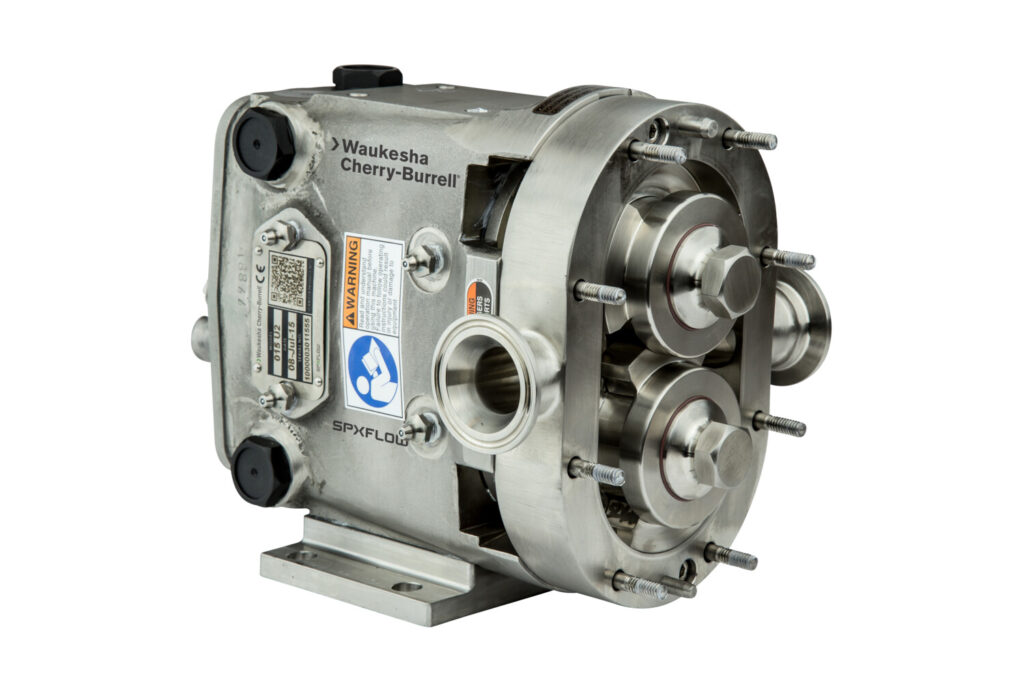
Universal 2 ND Pump Overview
Key Features
- Starts with filled, settled slurries without damaging the pump or seals.
- Dry running capability with water-flushed seals.
- Preserves shear-sensitive products.
- Pulsation-free flow reduces system vibration and wear.
- No internal rotor contact for extended pump life.
- Non-critical shaft timing simplifies maintenance.
- No oil seepage into the product zone—eliminates contamination risk.
- WCB single and double mechanical seals optimized for longevity and performance.
- Triple lip seals available for chemically aggressive or COP sanitary applications.
- Rotor/shaft connection sealed from product zone.
Long-Life Features
- Diffusion-hardened surfaces for rotor, body, and cover, ideal for abrasive or chemically aggressive environments.
- Special rotor nut designed for extended service without loosening.
- No bearings in the product zone—minimizes wear and corrosion.
- Large diameter 17-4 PH shafts for increased strength and stiffness, reducing vibration and extending seal life.
- Heavy-duty bearing frame (stainless steel option available).
- Grease-lubricated bearings ensure consistent lubrication across all operating conditions.
- Wave spring loading extends outer seal life compared to traditional O-rings.
- Unique mechanical seal design with 3-pin stationary seal and specialized shaft for rotary seal.
- Double tapered roller bearings provide precise rotor positioning and longer seal life.
We’re Here to Help
Get personalized support for pump selection, sizing, and applications.
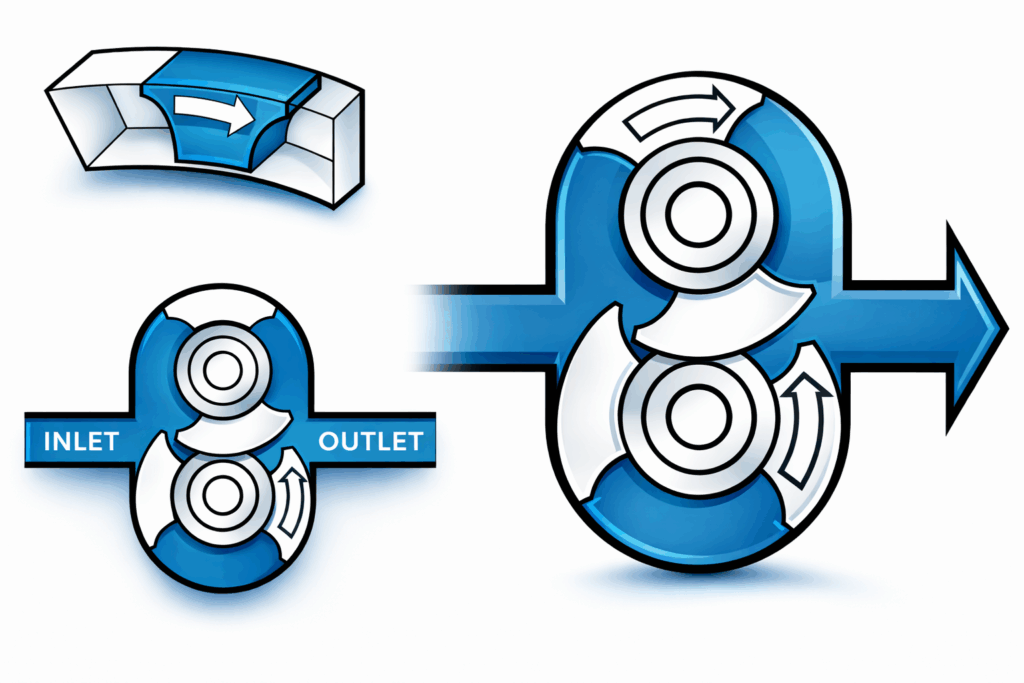
Theory of Operation:
Positive Displacement Pumps
The Waukesha Universal Series positive displacement pump operates on a rotary lobe principle, using two precision-engineered rotors that turn in synchronization within a close-clearance rotor case. As the rotors rotate, they create expanding cavities on the inlet side of the pump. This expansion draws product into the pump chamber without excessive shear or turbulence, making it ideal for high-viscosity, shear-sensitive, or particulate-laden fluids.
As the rotors continue to rotate, the cavities carry the product around the periphery of the rotor case. On the discharge side, the cavities contract, forcing product out of the pump and into the process line. Because the rotors never actually touch each other or the pump housing, the design maintains tight, repeatable flow with minimal product slip — even under high discharge pressures.
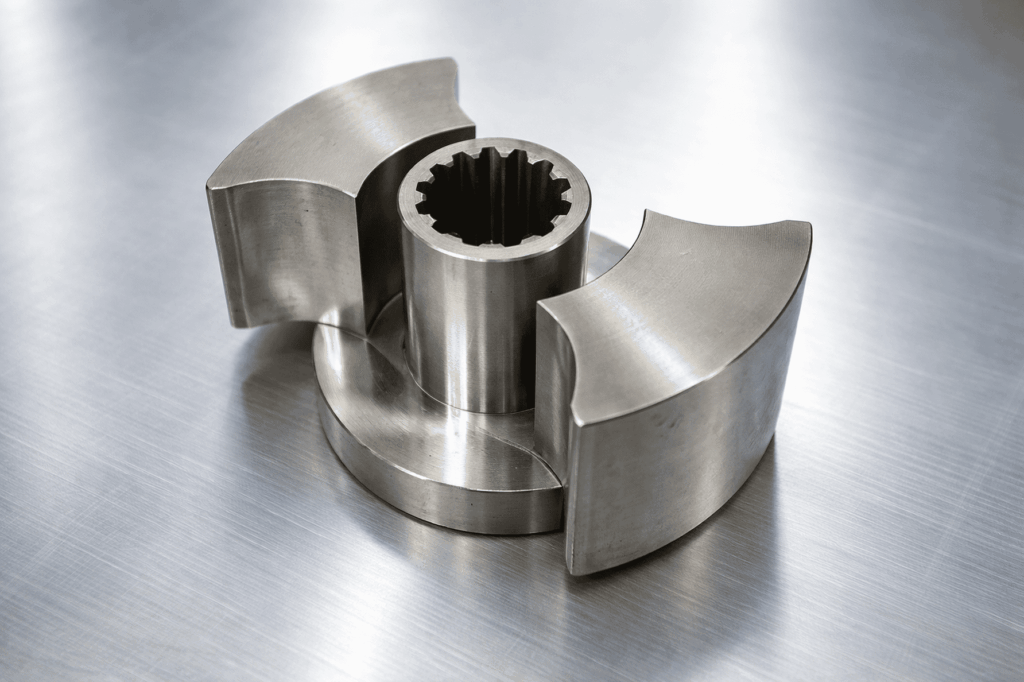
Alloy 88: How It Works
A key feature of the Waukesha pump line is the use of Alloy 88, a proprietary non-galling material used for rotor construction. Traditional stainless steel rotors can be prone to galling or seizing under close-clearance, metal-to-metal conditions—particularly in high-pressure or low-lubricity product applications.
Alloy 88 provides several benefits:
- Non-Galling Performance: Prevents rotor-to-rotor and rotor-to-case contact damage, even under upset conditions.
- Durability: Withstands the demanding conditions of sanitary and industrial processes.
- Reliability: Allows for tighter operating clearances to decrease slip, which improves pump efficiency and volumetric accuracy without risk of rotor binding.
By combining the gentle, low-shear pumping action of rotary lobe technology with the robust, non-galling properties of Alloy 88, Waukesha Universal Series pumps deliver a balance of efficiency, reliability, and long service life.
Alloy 88 Rotor Design
For decades, Waukesha has advanced rotary pump technology, refining every detail. The Alloy 88 rotor design continues that legacy, built to prevent galling, maintain precision, and keep your process running smoothly in demanding environments.
Key Applications
Food & Beverage
Soups
Stews
Tomato Pastes
Vegetables
Dressings
Chocolate
Fats & Oils
Batters
Cream Fillings
Brewery
Wort
Soft Drinks
Fruit Drinks
Meat Processing
Dairy
Cream
Milk
Cheese Curd
Whey
Cottage Cheese
Yogurt
Pharmaceutical & Cosmetics
Pill Pastes
Syrups
Extracts
Slurries
Face Creams
Lotions
Hair Styling Gels & Liquids
Dyes
Alcohols
Soaps
Cosmetics
Chemical & Industrial
Solvents
Paints
Fuels
Resins
Polymers
Sludges
Oil
Lubricants
Technical Specifications
| MODEL | DISPLACEMENT PER REVOLUTION | NOMINAL CAPACITY TO | MAXIMUM PRESSURE |
| 006-U2 | 0.0082 Gal. (0.031 Liter) | 8 GPM (1.8 m³/hr.) | 300 PSI (20.7 bar) |
| 015-U2 | 0.0142 Gal. (0.054 Liter) | 11 GPM (2.5 m³/hr.) | 250 PSI (17.2 bar) |
| 018-U2 | 0.029 Gal. (0.110 Liter) | 20 GPM (4.5 m³/hr.) | 200 PSI (13.8 bar) |
| 030-U2 | 0.060 Gal. (0.227 Liter) | 36 GPM (8.2 m³/hr.) | 250 PSI (17.2 bar) |
| 040-U2 | 0.076 Gal. (0.288 Liter) | 45 GPM (10.2 m³/hr.) | 150 PSI (10.3 bar) |
| 045-U2 | 0.098 Gal. (0.371 Liter) | 58 GPM (13.2 m³/hr.) | 450 PSI (31.0 bar) |
| 060-U2 | 0.153 Gal. (0.579 Liter) | 90 GPM (20.4 m³/hr.) | 300 PSI (20.7 bar) |
| 130-U2 | 0.253 Gal. (0.958 Liter) | 150 GPM (34.1 m³/hr.) | 200 PSI (13.8 bar) |

Tools & Resources
Learn More about
Waukesha Universal 2 ND Brochure
(opens in new tab)
Learn More about
Waukesha Universal 2 ND Lip Seal Info
(opens in new tab)
Learn More about
Waukesha Universal 2 ND Manual
(opens in new tab)
Learn More about
Waukesha Universal 2 ND Seal Chart
(opens in new tab)
Learn More about
WCC Pump Repair Flyer
(opens in new tab)
Frequently Asked Questions
Yes. One of the biggest advantages of the Universal 2ND is that it shares the same spare parts kit as the Universal 2. This simplifies inventory, reduces maintenance cost, and ensures quick, familiar serviceability for maintenance teams.
We’re Here to Help
Get personalized support for equipment selection, sizing, and applications.